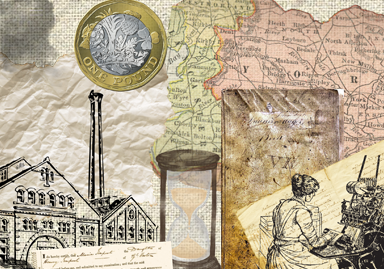
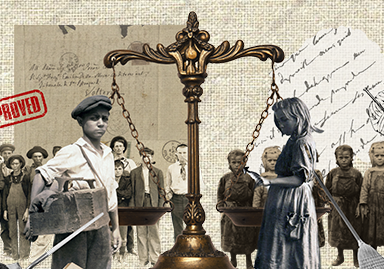
The Industrial Revolution began at the end of the 18th century in England and lasted until the mid-nineteenth century. It was distinguished by a significant change in the economy from manual labor to machine manufacturing. Before the advent of the mechanized age, the work efficiency of agriculture, textile, and metal manufacturing industries was low; however, with the development of machinery and the emergence of new technologies such as steam engines, textile machinery, and steel production, factory work efficiency has greatly improved (Montagna, 1981). By implementing these advancements, the British manufacturing industry was able to become a new global manufacturing center quickly and gradually.
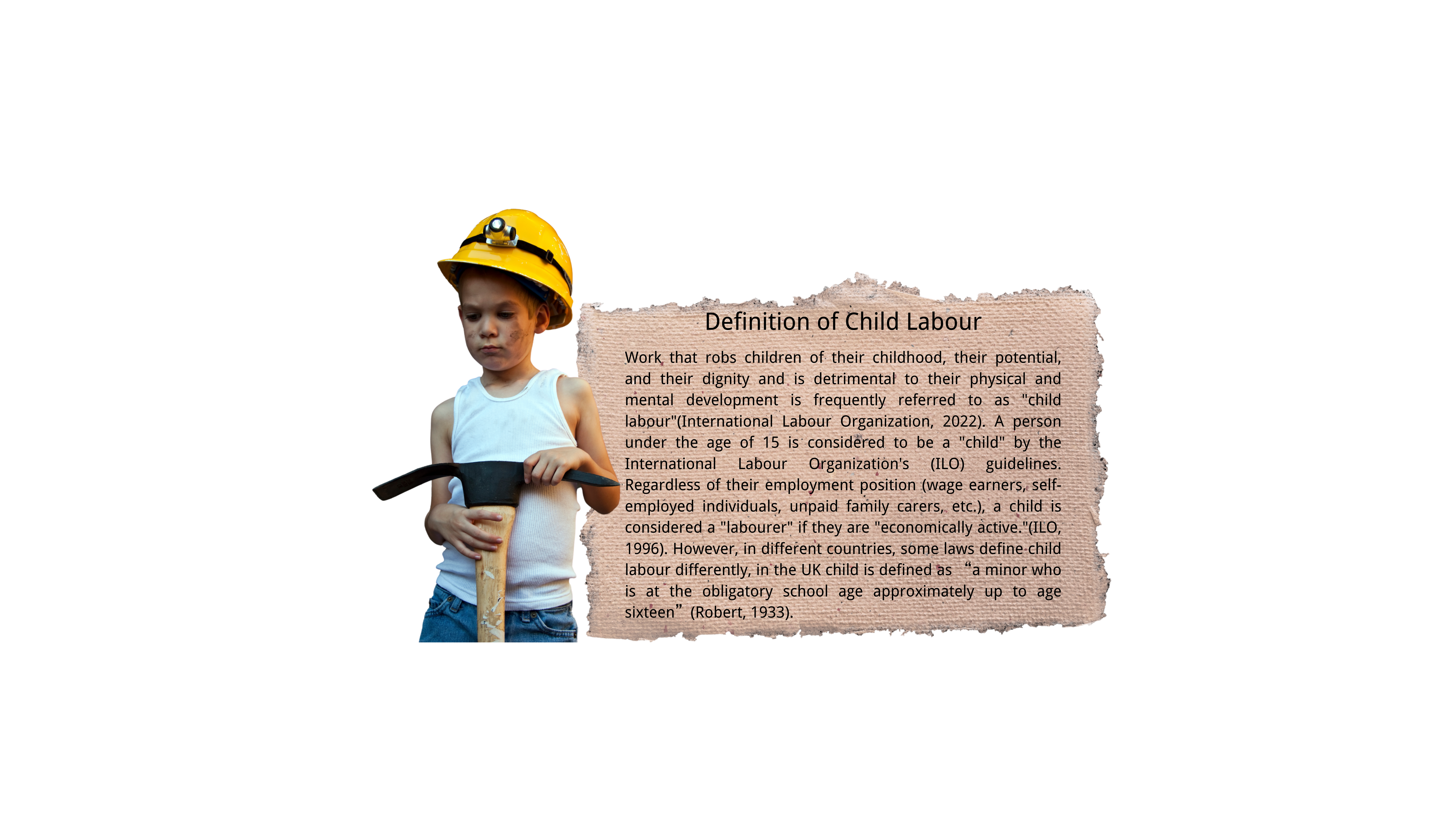
The industrialisation of society was accompanied by a greater demand for labour in Britain, with more and more workers joining industrial production and even some children being employed in the workforce. Child laborers are lower in stature and have more flexible fingers than adults, giving them an edge in handling textile machines (Humphries, 2013). However, these advantages only benefit the capitalists, and the exploitation of child labour is exacerbated. Meanwhile, the survival of child labour has been brought to the attention of the British government, indirectly contributed to the development of related laws, which were introduced to restrict the conditions and hours of child labour to provide a better living and educational environment for children(Dodd and Shaftesbury, 1842). In the textile industry, laws that directly affected child labour included the Cotton Mills Regulation Act of 1819, which limited the minimum age and maximum working hours for workers to nine years and 12 hours respectively (Tuttle, 1991). Ten Hours Act of 1847 limited the working hours of children and women to 10 hours, further reducing the pressure on children to work (Tuttle, 1991). The laws introduced in Britain during the Industrial Revolution progressively improved the regulation of children's work and the protection of their rights in terms of working age, hours of work, health checks, and educational requirements.
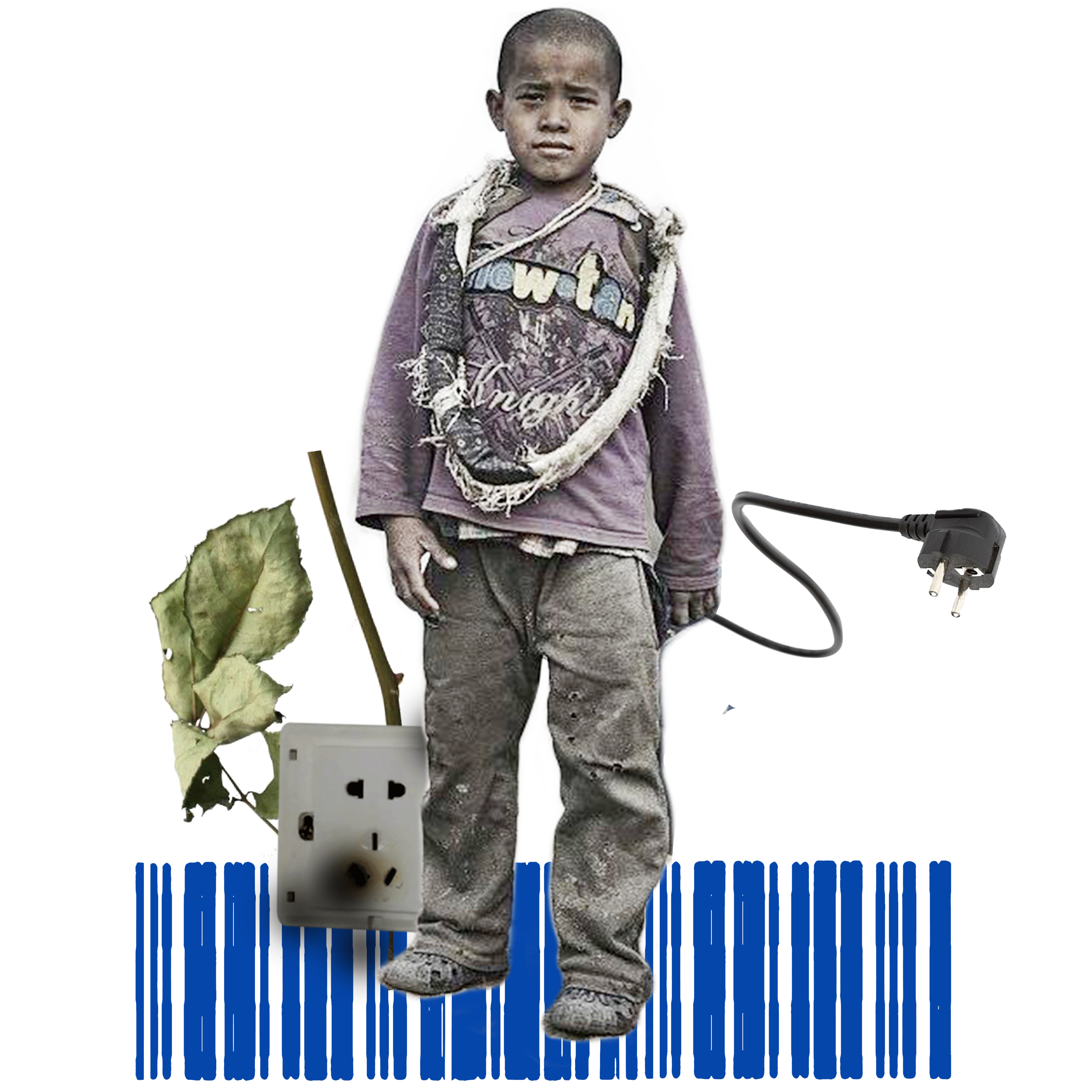
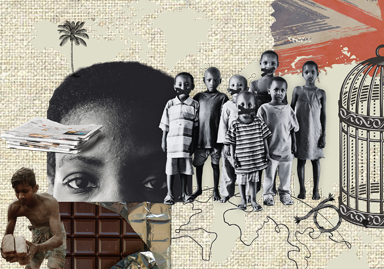
While the UK's demand for labor shifted from adult to child during the industrial revolution, the majority of UK labor employment is now directed towards low-income countries and regions. This is a result of the changes in the labor market for child labor brought about by the UK's economic development in the context of economic globalization. In the UK, a de-industrialization strategy was implemented, and by the turn of the century, the share of services in the gross national product reached 70%, and the economy shifted from a production-based economy to a service economy (Liu, 2020).In the 21st century, the problem of child labor in the global supply chain is serious. Europe reached a high level of economic development and British domestic companies manufactured their products in overseas factories, using cheap labour to reduce costs and increase profits. Most British overseas factories are in low-income countries or developing countries, which need a lot of labour to produce and manufacture, resulting in illegal child labour and forced labour in factories(Edmonds and Pavcnik, 2005).
In addition, the transfer of child labor is inseparable from the protection of child labor in the gradually improved modern legal system. The UK government has strict restrictions on the use of child labor. Under government regulations, children are not allowed to work in factories and industrial premises; they are not allowed to do any work that could be harmful to their health, well-being, or education. For children aged 13 to 14 the maximum number of hours of work per week is 25 and for young people aged 15 to 16 the maximum number of hours of work per week is 35 (British Government, 2023). The UK government takes the ban on hiring young child seriously (Fatima, 2016).
Therefore, it is necessary to place the UK's child labor problem in a global context. A significant difference is likely to exist between the reasons for exploitation of child labour in the past and today's responses, and these need to be located in broader social processes and structures to do with the effects of globalization (market forces, technology, labour flexibility, and the rise in consumerism) and other external factors – including climate change, which may already be having marked effects upon how children in rural areas spend their time in food production, as their communities experience profound weather events such as severe droughts or floods (Morrow,2010). Some underdeveloped areas lack social security for children, and families can only relieve family burdens through children's labor.(ILO, 2019).The number of child workers worldwide will rebound to 160 million in 2021 for the first time in 20 years, according to a joint report by the ILO and UNICEF(ILO, 2021).The loss of informal sector jobs, increased poverty and lack of social protection due to the COVID-19 pandemic, combined with widespread school closures, has led to an increase in child labour across developing countries(Idris, 2020).